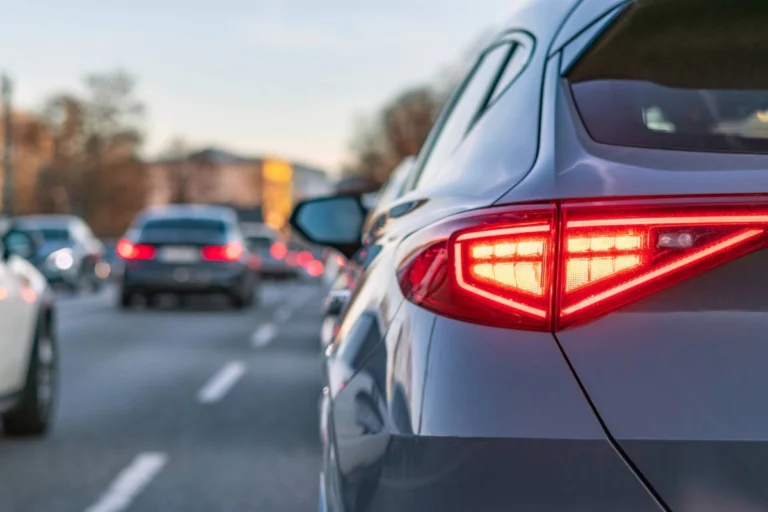
Flock Cameras in Ohio: What Drivers and Crash Victims Should Know
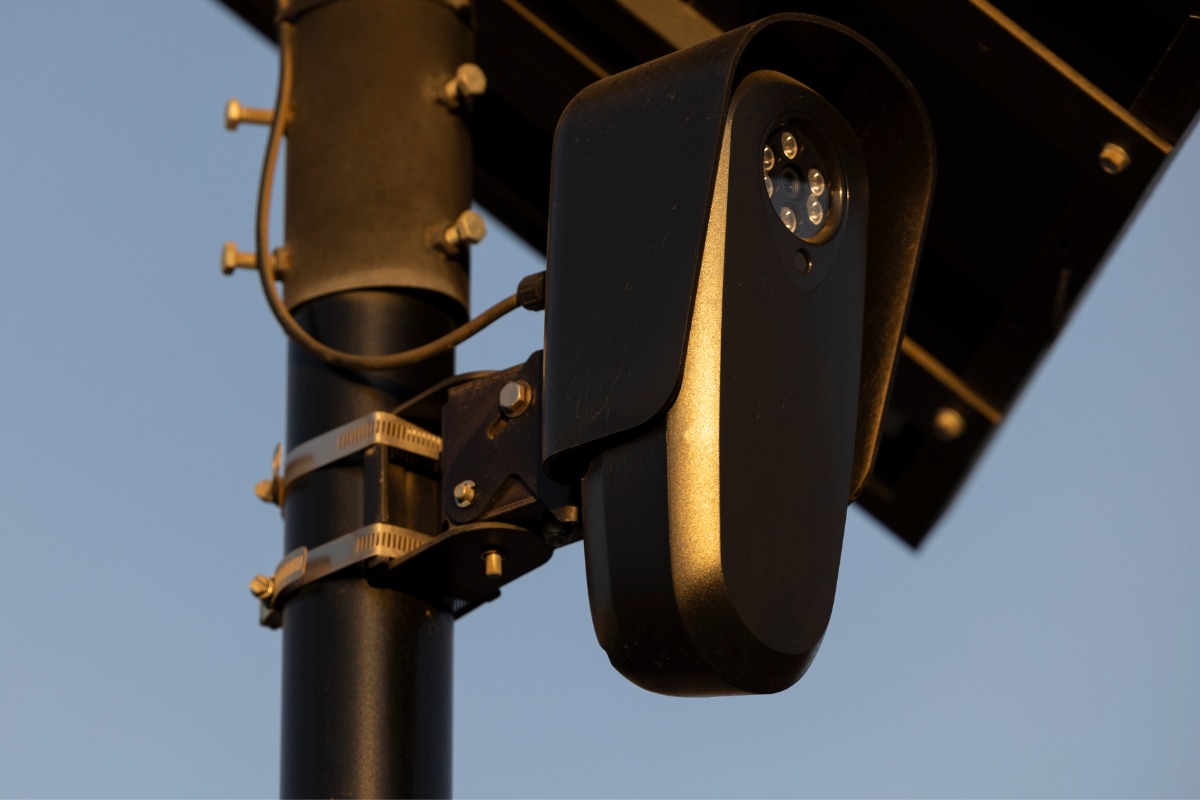
If you’ve driven around Columbus, Cleveland, Akron, Dayton, or many other parts of Ohio, there’s a decent chance a license plate reader has captured your vehicle.
For some Ohioans, that’s an uncomfortable thought. Flock Safety cameras have become the center of a growing privacy debate across the state, with several communities suspending or ending their use after questions about who can search the data and how it’s shared.
But there’s another reason Ohio drivers should know how these cameras work. If another driver hits you and flees the scene, a camera that recorded the vehicle minutes before or after the crash could help investigators figure out who was behind the wheel.
So, what exactly do Flock cameras record? And if you’re injured in a hit-and-run or another serious crash, could that information help your case?
What Are Flock Cameras?
Flock cameras are automated license plate readers, often called ALPRs. Unlike a traditional traffic camera that may record continuous video, these cameras are designed to capture vehicles as they pass.
Depending on what’s visible, a Flock camera can record a license plate along with the vehicle’s make, color, body type, plate state, and other distinguishing features. Flock says its license plate readers don’t use facial recognition or identify the occupants inside a vehicle.
Law enforcement can then search the Flock database for vehicles connected to an investigation. For example, if a witness sees a dark SUV leave the scene of a crash and remembers only part of the license plate, instead of relying on that description alone, investigators may be able to search nearby camera records for vehicles matching those details around the time of the accident.
Flock cameras are becoming more common across Ohio. As of September 2026, there are more than 8,000 Flock cameras in Ohio communities; that’s approximately 62 automated license plate readers for every 100,000 residents, making the state one of the more heavily monitored ones in the country.
Why Are Ohio Communities Reconsidering Flock Cameras?
The same scale that can make Flock useful to police has also fueled concerns about how much information the system collects and who can access it.
Those concerns aren’t limited to the cameras installed by a driver’s own city. Flock allows participating law-enforcement agencies to share and search data across jurisdictions, which means a vehicle recorded in one Ohio community may potentially show up in a search conducted elsewhere.
That became a major point of controversy after public records from Shaker Heights showed that its Flock data had been searched more than 700,000 times between December 2025 and April 2026. Shaker Heights police themselves accounted for only 1,016 of those searches; more than 693,000 were conducted by other law-enforcement agencies in Ohio and around the country.
That kind of access has prompted several Ohio communities to rethink their programs:
- In Columbus, Mayor Andrew Ginther suspended the city’s Flock program on September 3, 2026, after an officer was accused of repeatedly searching for a license plate without an apparent law-enforcement purpose.
- Cleveland took a different approach, keeping its cameras while adding restrictions on how it could share its data.
- Other communities, including Oxford, Coshocton, Wyandot and several Cincinnati-area jurisdictions, have paused or ended their Flock programs.
For drivers, however, there’s an important wrinkle. A city’s decision to turn off its own Flock cameras doesn’t necessarily mean no license plate readers are nearby. Neighboring police departments, universities, state agencies, businesses, apartment complexes, homeowners associations, and other private organizations may still operate cameras.
Can Flock Cameras Help After an Ohio Hit-and-Run?
One of the hardest parts of a hit-and-run case is often identifying the vehicle that left. License plate reader data can give investigators another place to look.
For example, consider a driver who hits a pedestrian in Columbus and leaves before police arrive. A witness remembers the vehicle was a white pickup but only catches the first few characters of its Ohio plate. If investigators know the approximate time and direction the truck traveled, nearby license plate readers may help narrow the possibilities. A camera several blocks away doesn’t need to have recorded the crash itself to be useful; it may’ve recorded the vehicle coming into or leaving the area.
The same idea can apply when:
- A vehicle sideswipes another driver and keeps going.
- A pedestrian or bicyclist is struck by a driver who leaves the scene.
- A witness gets only part of a license plate.
- The make, model, or color of a fleeing vehicle is known, but the plate is not.
- A commercial truck leaves before its identifying information is properly documented.
A camera record isn’t likely to resolve a serious accident case on its own. But it may give police and attorneys a lead that’d otherwise be missing.
How Long Is Flock Camera Data Available?
Flock historically used a 30-day default retention period. In August 2026, the company announced that it was changing its recommended and default retention period for new law-enforcement customers to seven days. Individual customers may have different retention policies, and private-sector customers can operate under different terms.
In other words, you can’t assume a potentially useful image will still be there weeks or months after an accident. That’s why it’s so important to contact an attorney immediately after a hit-and-run, a serious commercial vehicle crash, or any case where a vehicle’s identity or movements are disputed. We can investigate which cameras may have captured relevant information and take steps to preserve evidence before it disappears.
In a serious injury case, we’ll also look at other sources of evidence alongside license plate reader data, including:
- Traffic and surveillance cameras
- Dashcams
- Witness statements
- Vehicle damage
- Cell phone records, when legally obtainable
- Commercial vehicle records
- Electronic logging device data in truck accident cases
- Photos and videos taken at the scene
If you or a loved one was seriously injured in an Ohio crash, our attorneys at Slater & Zurz can investigate the available evidence, including license plate reader data, traffic cameras, surveillance footage, witness accounts, and vehicle records. From there, we can build the strongest possible case and push back against insurers that try to minimize what you are owed.
Contact Slater & Zurz for a free consultation at 330-762-0700. You pay nothing unless we recover compensation for you.