Why So Many Ohio Car Accident Claims Get Denied (+ the 3 Steps That Protect Yours)
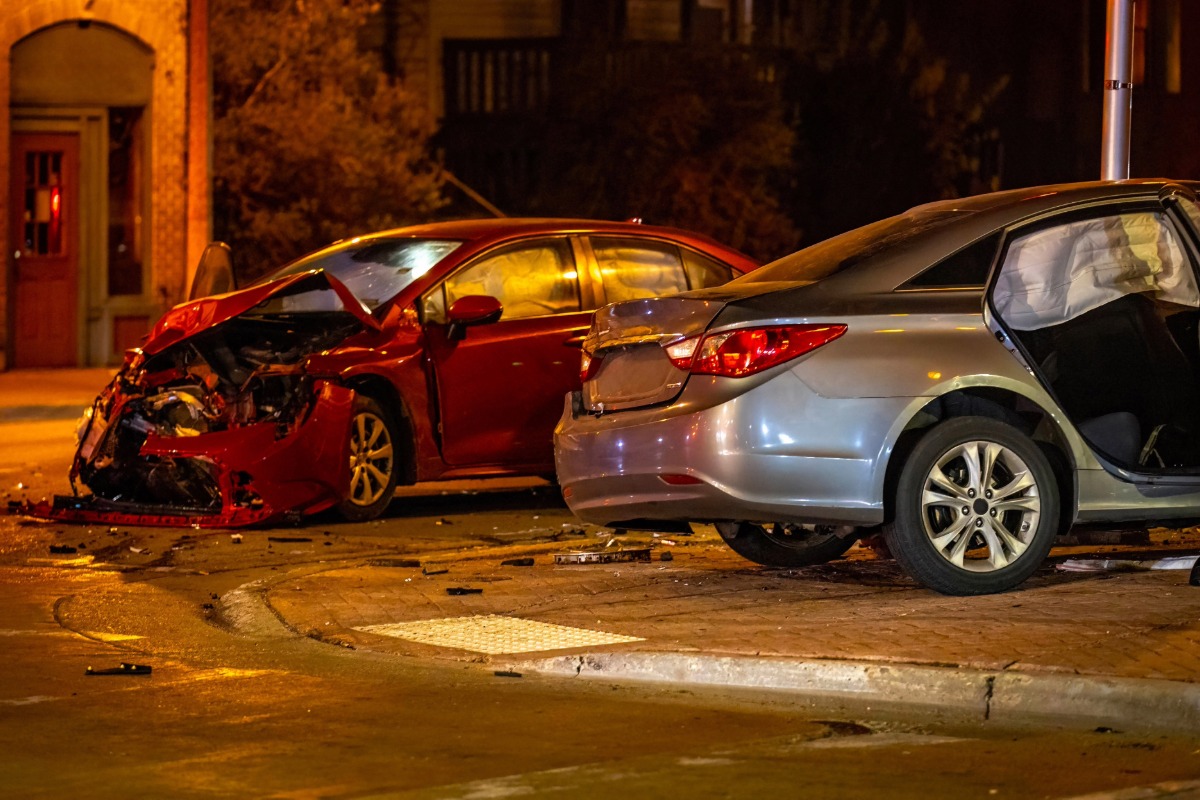
After a car accident, most people rightfully focus on getting medical treatment and recovering from injuries. But that’s also precisely when insurance companies start building their denial case. With bodily injury claims severity jumping 9.2% year over year, Ohio’s roads are more dangerous than ever. Additionally, insurers are more aggressive about limiting payouts.
In Ohio, there are three specific vulnerabilities that account for the majority of denied or drastically reduced accident claims. Understanding what they are helps determine whether you recover what you’re owed or settle for pennies on the dollar.
Why Car Accident Claims Get Denied in Ohio
Denial Reason #1: Ohio’s 50% Fault Rule
Ohio follows a modified comparative negligence system under Ohio Revised Code § 2315.33. This means if you’re found 50% or more at fault for an accident, you recover nothing. Even if you’re 49% at fault, your compensation is reduced by that percentage; a $100,000 settlement becomes $51,000.
Insurance companies know this, and they exploit it aggressively. Rather than focus on fairness, their goal is frequently to push your fault percentage above 50%. This allows them to eliminate the claim entirely or to inflate it enough to slash the payout.
One common tactic you’ll see is the gathering of early recorded statements designed to extract admissions. For example, an adjuster may ask, “Were you maybe going a little fast?” or “Did you see the other car before impact?” These may seem like casual questions. However, in reality, they’re building a distraction or inattention argument.
Accident reconstruction reports may conveniently find you partially responsible, even in clear-cut cases like rear-end collisions. Meanwhile, insurers could argue you “stopped short” or “could have avoided the accident.” Strategic witness statements might even be twisted to suggest shared fault, often obtained before you’ve even spoken to an attorney.
The Ohio Department of Insurance provides guidance on comparative negligence through its consumer automobile resources. But understanding the law and protecting yourself from manipulation are two different things.
Denial Reason #2: Procedural Deadline Traps That Void Valid Claims
Ohio car accident claims operate on multiple overlapping deadlines. Missing any one can destroy an otherwise valid claim. The statute of limitations gives you two years to file a lawsuit for injury claims. But that’s just one clock ticking against you.
Your own insurance policy likely requires you to report the accident within 30 days. Failure to notify can void coverage entirely. Medical treatment gaps become ammunition: waiting even two weeks to see a doctor gets weaponized as proof your injuries “weren’t that serious.”
Insurers benefit from every delay. They don’t send reminder notices about approaching deadlines. Instead, they pressure early settlements before you understand the full extent of your injuries. Some even create paperwork mazes designed to run out the clock.
Unsurprisingly, according to data from Experian Health, 40% of Americans have experienced a denied insurance claim. Additionally, many denials stem from procedural violations that could have been prevented with immediate action.
Denial Reason #3: Pre-Existing Conditions Weaponized to Deny Compensation
If you’ve ever suffered from back pain, neck stiffness, or any prior injury, insurers will use it to deny your claim. Their argument is that your current pain existed before the accident, so they’re not responsible. It doesn’t matter if the accident made everything worse; they’ll frame it as a pre-existing problem.
Ohio law protects accident victims through the “eggshell plaintiff” doctrine: you take the victim as you find them. If an accident aggravates a prior condition, the at-fault party is liable for that aggravation. But insurers make you prove it, betting you’ll give up or settle cheaply rather than fight through litigation.
Insurers may request broad medical authorizations going back 10+ years to fish for any prior complaint they can use against you. They might even send you to insurance doctors who minimize the accident’s impact and attribute everything to “degenerative changes” from age or prior conditions. Then they make lowball settlement offers. They assume you’ll accept less rather than fight the pre-existing condition argument in court.
The disclosure dilemma is real. Hiding prior injuries destroys your credibility, but disclosing them gives insurers ammunition. The only safe path is honest disclosure paired with medical documentation showing new or worsened symptoms post-accident.
How to Protect Your Ohio Car Accident Claim: 4 Steps
Use these pre-emptive strategies to make your claim denial-resistant from day one.
Step 1: Document Fault Immediately
Fault determinations happen in the first 48-72 hours. After that, insurers rarely revisit their initial assignments. To do this:
- Take photos at the scene of vehicle positions, damage patterns, skid marks, traffic controls, and road conditions.
- Get witness names and contact information before they leave. Don’t assume the police will capture everyone.
- Document your version of events factually, without speculating about your actions or admitting any fault.
- Obtain the police report immediately and check for errors in the narrative section.
- Never give recorded statements to the other driver’s insurer without legal counsel.
For more on what to do after a car accident, check out this guide.
Step 2: Create an Unbreakable Medical Timeline Starting Immediately
Treatment gaps equal denial ammunition. Seek medical attention the same day if possible, even for “minor” pain. Then:
- Follow all treatment recommendations without skipping appointments. For example, physical therapy sessions you miss become “you must not have been hurt that badly” in the insurer’s denial letter.
- Document symptom changes daily, including pain levels, functional limitations, and medication needs.
- Get specialized care early if symptoms persist beyond two weeks.
- Never minimize symptoms to doctors. Saying “I’m feeling better” gets written in records and used against you.
Step 3: Handle Pre-Existing Conditions Strategically With Medical Proof
Tell your doctor about prior injuries at your first post-accident visit. This creates an honest record and shows you’re not hiding anything. Obtain comparison documentation: pre-accident medical records showing your baseline condition versus post-accident worsening. Also, insist on diagnostic imaging that shows new damage (new herniations, new tears, new fractures) versus old degenerative changes.
Even if you had a prior back injury, a new accident causing a herniated disc is compensable. Medical testimony can establish that the accident worsened your condition beyond baseline. However, this works only if you have the documentation to prove it.
Pro tip: Never sign a medical release for the insurance company. Insurer requests for “all medical records” should be narrowed to relevant timeframes and affected body parts.
Step 4: Talk to a Truck Accident Attorney ASAP
Insurance companies treat represented claimants differently from unrepresented ones. As soon as you have legal counsel on your side, adjusters know they’re dealing with someone who understands Ohio’s comparative negligence laws and procedural requirements. Their denial tactics become harder to execute.
So, make sure to contact a truck accident attorney before giving recorded statements to the at-fault driver’s insurer or signing any medical authorization releases. Especially do so if you have pre-existing conditions that could complicate your claim. Ultimately, insurers can’t use the same manipulation tactics, and they know any lowball offer will be challenged with litigation if necessary.
If you’ve been in an Ohio car accident and you’re facing claim denial tactics or want to protect your claim before they start, contact Slater & Zurz. Since 1991, we’ve recovered millions for car accident victims across Ohio, fighting insurance companies that use the exact denial strategies we’ve just described. We help accident victims understand their rights and navigate the insurance process from day one. We do this, not after the damage is done.
Call us at 330-762-0700 for a free case review today.