Riding into Spring: How to Navigate the Surge of Motorcycle Accidents in Ohio
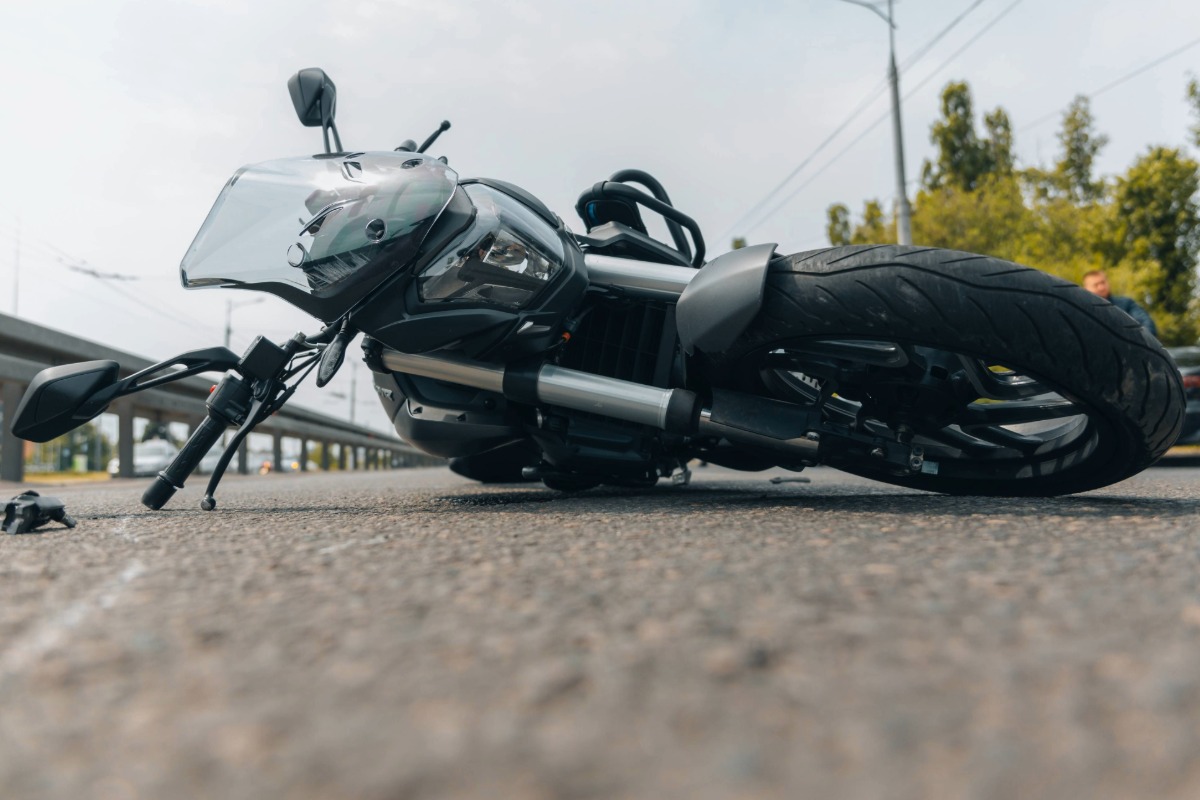
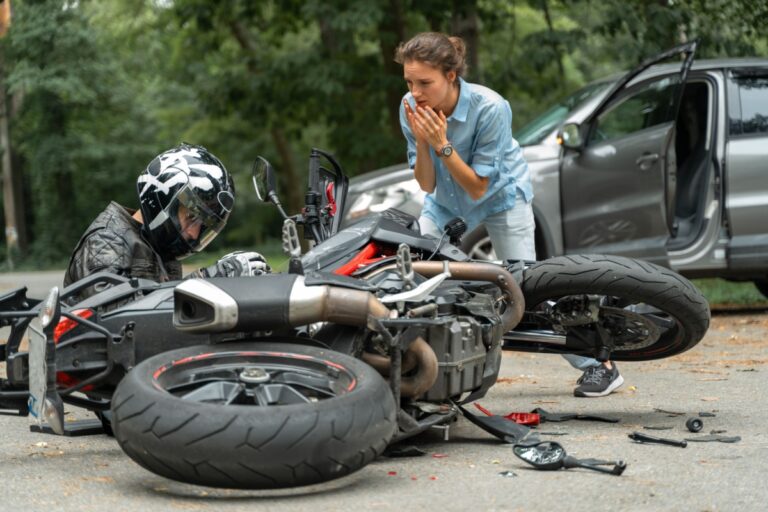
Every April, motorcycle traffic returns to Ohio roads. Drivers, however, are often slower to adjust, with that mismatch showing up quickly in motorcycle accident statistics.
The Ohio State Highway Patrol reported over 20,000 motorcycle crashes between 2020 and 2024, with most occurring during the warmer months. As riding season begins and traffic patterns shift, risk increases in ways many riders do not expect.
Notably, when these crashes happen, the cause is rarely just rider error. Driver negligence, roadway hazards, and licensing issues often shape both who is at fault and how much compensation an injured rider may recover.
Read on to understand what drives the spring surge in motorcycle accidents in Ohio and what steps help protect a claim after a crash.
Why Does Ohio See a Surge in Motorcycle Accidents Every Spring?
Three factors tend to drive the spring increase: driver awareness, rider readiness, and road conditions.
Driver awareness
Car and truck drivers spend November through March rarely sharing lanes with motorcycles. By the time April arrives, they’ve lost the habit of checking blind spots for smaller vehicles. The Ohio State Highway Patrol has documented this directly, with troopers noting that drivers simply aren’t scanning intersections with motorcycles in mind during the early weeks of riding season.
Rider readiness
Riders contribute too. A motorcycle handled confidently in October can feel unfamiliar again after four or five months of sitting idle; throttle response, braking distances, and low-speed balance all require recalibration.
Meanwhile, new riders who earned a license in the fall and haven’t put real miles on the bike face the sharpest learning curve.
Road conditions
Road surfaces add a third dimension to this challenge. Harsh Ohio winters often leave behind frost heaves, potholes, sand from salt trucks, and degraded pavement edges. A car tire can easily absorb those hazards; a motorcycle tire does not. Riders who drift toward a shoulder expecting solid asphalt sometimes find crumbling road surface instead.
Which Ohio Roads Are Most Dangerous for Motorcyclists?
OSHP data consistently flags these areas as the state’s highest-risk routes for motorcycle crashes:
- I-75: Lucas County has ranked among the highest in the state for motorcycle crashes over the most recent five-year tracking period. In summer 2025, motorcycle fatalities in northwest Ohio more than quadrupled compared to the prior year, according to OSHP.
- Urban corridors around Cuyahoga, Franklin, and Hamilton counties: These account for the highest raw crash volumes, with Cuyahoga leading at 1,760 crashes over a recent five-year span. About 54% of Ohio’s fatal motorcycle crashes occur in urban areas, which reflects the density of intersections, pedestrian crossings, and turning vehicles that riders have to navigate.
- Rural routes: Open roads invite higher speeds, emergency response takes longer, and guardrails designed for passenger vehicles offer little protection for motorcyclists.
Check out this guide on the most dangerous Ohio highways for accidents.
Who Is Liable When a Spring Motorcycle Crash Happens?
Liability in a motorcycle accident extends further than most victims initially expect. The driver who cut you off is the obvious starting point, but Ohio law allows claims against multiple parties depending on what caused the crash.
If a driver ran a red light or made an unsignaled left turn across your path, their negligence is the core of your claim. Ohio operates under a modified comparative fault system, meaning you can recover damages as long as you’re found to be less than 51% responsible for the crash.
Road defects open a separate path. If you hit a pothole, a deteriorated road edge, or debris left from winter maintenance on a state or municipal road, the government entity responsible for that road may carry liability. These claims run on different timelines than standard personal injury claims and require notice to the appropriate agency, sometimes within 120 days of the incident.
Employer liability applies if the driver who hit you was working at the time, whether it was making a delivery, driving a company vehicle, or operating within the scope of their employment. In those cases, the employer’s insurance sits alongside the driver’s policy as a potential source of recovery.
Identifying every liable party determines the total insurance coverage available to you. A crash that looks like a single-driver case might involve a commercial carrier, a municipality, or a vehicle manufacturer if a defect contributed to the collision.
How Do Insurance Companies Handle Ohio Motorcycle Accident Claims?
Adjusters contact accident victims within days, sometimes within hours, of a crash. That’s becuase they’re trained to gather statements that can be used to limit what the insurer pays, meaning that anything you say on record before you’ve seen a doctor or spoken with a motorcycle accident attorney can follow you through the entire claims process.
Ohio motorcycle riders face a specific bias problem as well. Juries and adjusters alike carry cultural assumptions about motorcyclists as inherently reckless. Insurers know this and use it. They may point to your speed, gear, lane position, or choice of route to argue shared fault, and thanks to Ohio’s comparative fault rules, every percentage point of fault they assign to you reduces the amount of compensation you may be able to recover.
An attorney who handles motorcycle accident claims in Ohio understands how to counter those arguments with evidence (including police reports, scene photographs, witness statements, and accident reconstruction) when necessary. Rather than negotiate what the crash cost you medically, we’ll strive to recover compensation for future medical needs, long-term earning capacity, and any pain and suffering that the accident caused you
Learn more about the risks of quick insurance settlements.
What Should You Do After a Motorcycle Accident in Ohio?
The steps you take in the hours and days after a crash shape what your claim looks like months later. Keep these must-do’s in mind:
- Call 911 and stay at the scene: A police report documenting the other driver’s behavior, road conditions, and your injuries becomes a primary piece of evidence.
- Seek medical care the same day: Even if you feel fine, know that adrenaline masks pain. Injuries to the spine, brain, and internal organs frequently present symptoms hours or days after impact. Any gaps between the crash and your first medical appointment gives insurers grounds to argue your injuries weren’t crash-related.
- Photograph everything you can access: This includes the road surface, both vehicles, skid marks, traffic controls, and your gear and clothing. If you can identify witnesses before leaving the scene, collect their contact information. Your own account of what happened, written out within the first 24 hours while details are fresh, becomes valuable when memories blur.
Most importantly, don’t give a recorded statement to the at-fault driver’s insurer before speaking with an attorney. You’re not required to, and doing so early rarely benefits your case.
Talk to a Motorcycle Accident Attorney Who Knows Ohio’s Roads
At Slater & Zurz, our attorneys have represented Ohio motorcycle accident victims across the state for decades. We understand how Ohio insurers approach spring crash claims, but more importantly, we know how to build cases that reflect the full scope of what our clients have lost beyond the emergency room bill.
If you or someone you know was injured in a motorcycle accident in Ohio this spring, contact Slater & Zurz at 330-762-0700 for a free consultation. There’s no fee unless we recover compensation for you.