How to Identify Ultra-Processed Foods in Groceries: A Parent’s Guide
Grocery shopping with kids is never easy. Between the tantrums in the cereal aisle and the desperate attempts to sneak in something green, it often feels like just getting out of the store with your sanity intact is a win.
But lately, there’s a whole new layer of stress: figuring out which foods are actually healthy and which are just cleverly disguised junk. We’re bombarded with labels like “natural” and “low-fat,” but what about all those ingredients we can’t even pronounce?
In this guide, we’re breaking down how to identify ultra-processed foods lurking on supermarket shelves — so you’re empowered to make informed choices for your family.
What Are Ultra-Processed Foods?
Ultra-processed foods (UPFs) are more than just convenient snacks or quick meals — they’re heavily manufactured products that have undergone so much processing that they barely resemble the whole foods they started as.
For many families, ultra-processed foods are a staple. Some of the most common include:
- Sugary cereals: Marketed with fun characters and bold colors, these cereals are often loaded with sugar and artificial ingredients.
- Frozen meals: While convenient, they’re often packed with sodium, unhealthy fats, and preservatives.
- Soft drinks: Sugary sodas or artificially sweetened beverages are a major contributor to health risks like type-2 diabetes.
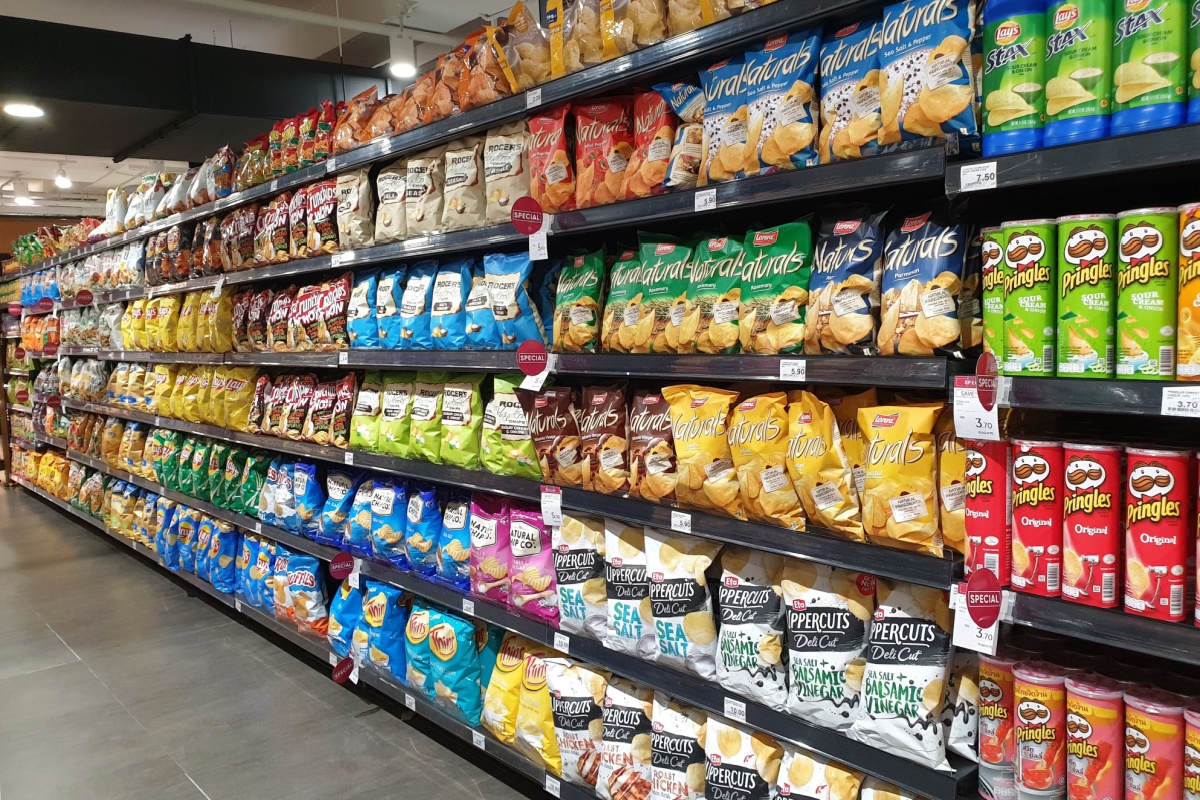
- Packaged snacks: Chips, cookies, and other processed snacks are high in calories and filled with additives designed to make you reach for more.
How to Identify Ultra-Processed Foods in Your Grocery Cart
Navigating the grocery store aisles can feel like a minefield these days. With clever marketing and deceptive packaging, it’s harder than ever to distinguish truly nutritious foods from their ultra-processed counterparts.
Let’s break down the key strategies for spotting those sneaky ultra-processed foods lurking on the shelves.
Check the ingredient list
Think of the ingredient list as your first line of defense. While whole foods typically boast a short and recognizable list of ingredients, ultra-processed foods tend to have lengthy lists filled with unfamiliar terms.
These often include artificial additives designed to enhance flavor, texture, and shelf life, but they may come with potential health risks. Keep an eye out for:
- Preservatives: BHA, BHT, nitrates, and benzoates prevent spoilage but may also have negative effects on the body.
- Artificial colors: These are often denoted by numbers like Yellow 5 or Red 40.
- Artificial flavors: They mimic natural tastes but are created synthetically in a lab.
The more ingredients you can’t pronounce or don’t recognize, the more likely it is that the food is ultra-processed.
Read the nutrition label
Beyond the ingredient list, the nutrition label holds valuable clues. Pay close attention to:
- Added sugars: These are often hidden in plain sight under various names like high fructose corn syrup, dextrose, and maltose. Excessive sugar intake is linked to a multitude of health problems, including obesity, type 2 diabetes, and heart disease.
- The fat content: Focus on unhealthy saturated and trans fats, which can raise cholesterol levels.
- Sodium content: High sodium intake can contribute to high blood pressure.
- Serving sizes: Manufacturers often use deceptively small serving sizes to make the nutrition information appear more favorable. Always adjust the numbers to reflect the amount your child actually consumes.
Learn more about the common foods marketed as “healthy” but may actually cause harm in kids.
Beware of the packaging
Don’t fall prey to the allure of clever marketing and attractive packaging. Buzzwords like “natural,” “low-fat,” or “enriched” can be misleading:
- “Natural” has no official definition and can be used very loosely.
- “Low-fat” or “fat-free” products often compensate for reduced fat with added sugar or artificial ingredients.
- While “enriched” or “fortified” foods may add back some nutrients lost during processing, they don’t negate the overall negative impact of ultra-processing.
Always approach front-of-package claims with a healthy dose of skepticism and cross-check them with the nutrition label and ingredient list.
Do the “whole foods” test
One of the simplest ways to spot ultra-processed foods is to ask yourself: “Does this resemble something found in nature?” If the answer is no, it’s likely highly processed. Think about it: an apple looks like an apple, a bag of spinach looks like it came from a plant, and a chicken breast looks like it came from a chicken.
Ultra-processed foods, on the other hand, often bear little resemblance to their original sources. They may be molded into shapes, be brightly colored, or have an unnaturally long shelf life. Use this visual cue to help you quickly identify and steer clear of ultra-processed options.
Shop the perimeter
Here’s a simple but effective strategy for avoiding ultra-processed foods: focus your shopping on the perimeter of the grocery store. This is where you’ll typically find fresh produce, dairy, meats, and seafood — the building blocks of a healthy diet. (The inner aisles tend to be where the majority of ultra-processed foods live.)
Take Back Control of Your Family’s Health Today
Parents want their kids to thrive, and knowing how to identify ultra-processed foods that genuinely support their growth and well-being is a big part of that. It’s not about perfection or cutting out every processed product — it’s about being informed and fostering healthy habits that can last a lifetime.
Of course, it’s not just about individual decisions. The food industry makes it difficult for families by marketing ultra-processed products as “healthy” while often prioritizing profits over public health.
If you believe your child has experienced health problems (like type 2 diabetes or fatty liver disease) linked to these foods, you may have the option to take legal action.