Ohio Motorcycle Helmet Law 2026: How It Affects Your Accident Claim
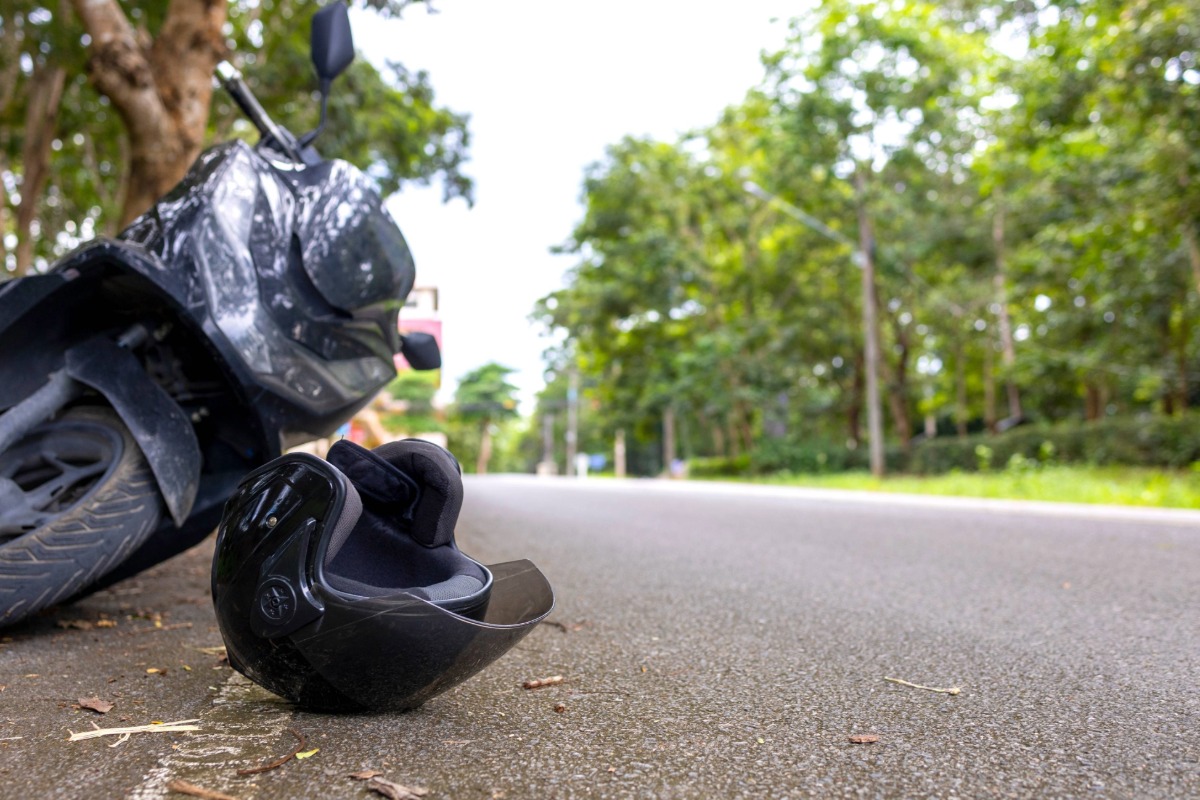
Most Ohio motorcycle riders know the state doesn’t require adults to wear a helmet. What few realize, however, is that the issue still comes up in claims, often used by insurance companies to argue for lower compensation if you get into an accident.
Understanding exactly who the Ohio motorcycle helmet law covers and how comparative negligence actually plays out can give you a significant advantage before negotiations begin. If you’ve been in a motorcycle accident recently while not wearing a helmet, you’ve come to the right place.
Who Does Ohio’s Motorcycle Helmet Law Actually Cover?
Ohio Revised Code § 4511.53 requires helmets for three groups:
- Riders under 18: Any motorcyclist younger than 18 must wear a helmet on Ohio roads, regardless of their license status or experience. This applies to operators and passengers alike.
- Novice riders: Ohio’s Bureau of Motor Vehicles marks new motorcycle endorsements with a “novice” designation for the first 12 months. During that period, riders must wear a DOT-approved helmet on every ride, regardless of age. This means that a 35-year-old who just earned their endorsement faces the same requirement as a 16-year-old.
- Passengers on helmet-required motorcycles: If the operator is legally required to wear a helmet, every passenger on that bike must wear one too, even if the passenger holds a full unrestricted endorsement.
Everyone else, namely adults 18 and older who have held their endorsement for more than a year, does not face a helmet mandate under Ohio law. They do, however, have to wear DOT-approved eye protection, which includes safety glasses, goggles, or a helmet with a face shield.
Has Ohio’s Helmet Law Changed in 2026?
No, Ohio Revised Code § 4511.53 has not changed in 2026. The state still operates under a partial helmet law; this framework has been in place for years.
What has changed is the safety data surrounding helmet effectiveness. In Ohio, motorcycles make up a small percentage of registered vehicles but are involved in a disproportionately high number of fatal crashes each year, according to Ohio Department of Public Safety data.
In 2023, 6,335 motorcyclists died in traffic crashes nationally, representing 15% of all traffic fatalities and the highest count since federal data collection began in 1975. NHTSA research consistently shows helmets are approximately 37% effective in preventing rider fatalities and 67% effective in preventing brain injuries.
How Does Ohio’s Motorcycle Helmet Law Affect Your Claim?
Ohio follows a “modified comparative negligence” rule under ORC § 2315.33. An injured rider can recover compensation as long as they are less than 51% at fault. If they are 51% or more at fault, they cannot recover anything. If they are below that threshold, their compensation is reduced based on their share of fault.
When helmet use cannot be used against you
When an insurance company disputes the value of a claim, a motorcycle accident attorney may file a personal injury lawsuit on your behalf. This is where fault is formally assigned, damages are calculated, and both sides present arguments about what may reduce recovery.
Ohio Revised Code § 4511.53(C)(1) limits how helmet use can be discussed in court. For adult riders who are not legally required to wear a helmet, choosing not to wear a helmet generally cannot be introduced as evidence of negligence in a civil trial. There is no legal duty, so there is no fault for skipping that precaution.
In practical terms, this means the other side generally cannot argue that you were at fault just because you chose not to wear a helmet if the law did not require one.
When not wearing a helmet can affect compensation
This protection does not apply to riders who are legally required to wear a helmet, such as minors or novice riders within their first year of endorsement.
In those cases, the defense may argue that not wearing a helmet made head or brain injuries worse. Medical experts may testify that a helmet could have reduced the severity of those injuries. If the court agrees and assigns some fault to the rider, the total compensation is reduced. For example, if a rider is found 25% at fault, a $200,000 award would be reduced to $150,000.
The key issue remains fault for the crash
Helmet use does not determine who caused the accident. Liability still turns on the other driver’s conduct, such as failing to yield, unsafe lane changes, or running a red light. Helmet use typically comes into play when evaluating the extent of injuries, not the cause of the collision itself.
In other words, courts may still allow arguments about whether certain injuries could have been reduced, but that is different from arguing that the rider caused the crash.
What Should You Do After a Motorcycle Accident in Ohio?
The steps you take in the 48 hours after a motorcycle accident shape the claim you can build. These are the key ones:
- Call 911 and get a police report filed.
- Accept emergency medical evaluation even if your injuries feel minor. Adrenaline masks pain, and documented medical timelines are essential for recovering compensation later.
- Photograph the scene, road conditions, your gear, your motorcycle, and the other vehicle.
- Gather contact information from witnesses before anyone leaves the area.
- Avoid giving recorded statements to the opposing driver’s insurance company; adjusters use those statements to establish facts before you have legal counsel.
Most importantly, contact a motorcycle accident attorney as soon as possible. Even though Ohio law limits how helmet use can be introduced at trial, insurance adjusters may still raise the issue during settlement negotiations. They may claim that not wearing a helmet contributed to injury severity in order to push for a lower payout, even if these arguments would likely not hold up in court.
At Slater & Zurz, we represent riders across Ohio in motorcycle accident cases, including cases where helmet use, comparative negligence arguments, and insurance company tactics have complicated otherwise clear-cut claims. Our attorneys understand how to keep the focus where it belongs: the driver whose negligence put you in a hospital bed.
If you were injured in a motorcycle crash in Ohio, contact us at 330-762-0700 for a free consultation.